 Catahoula
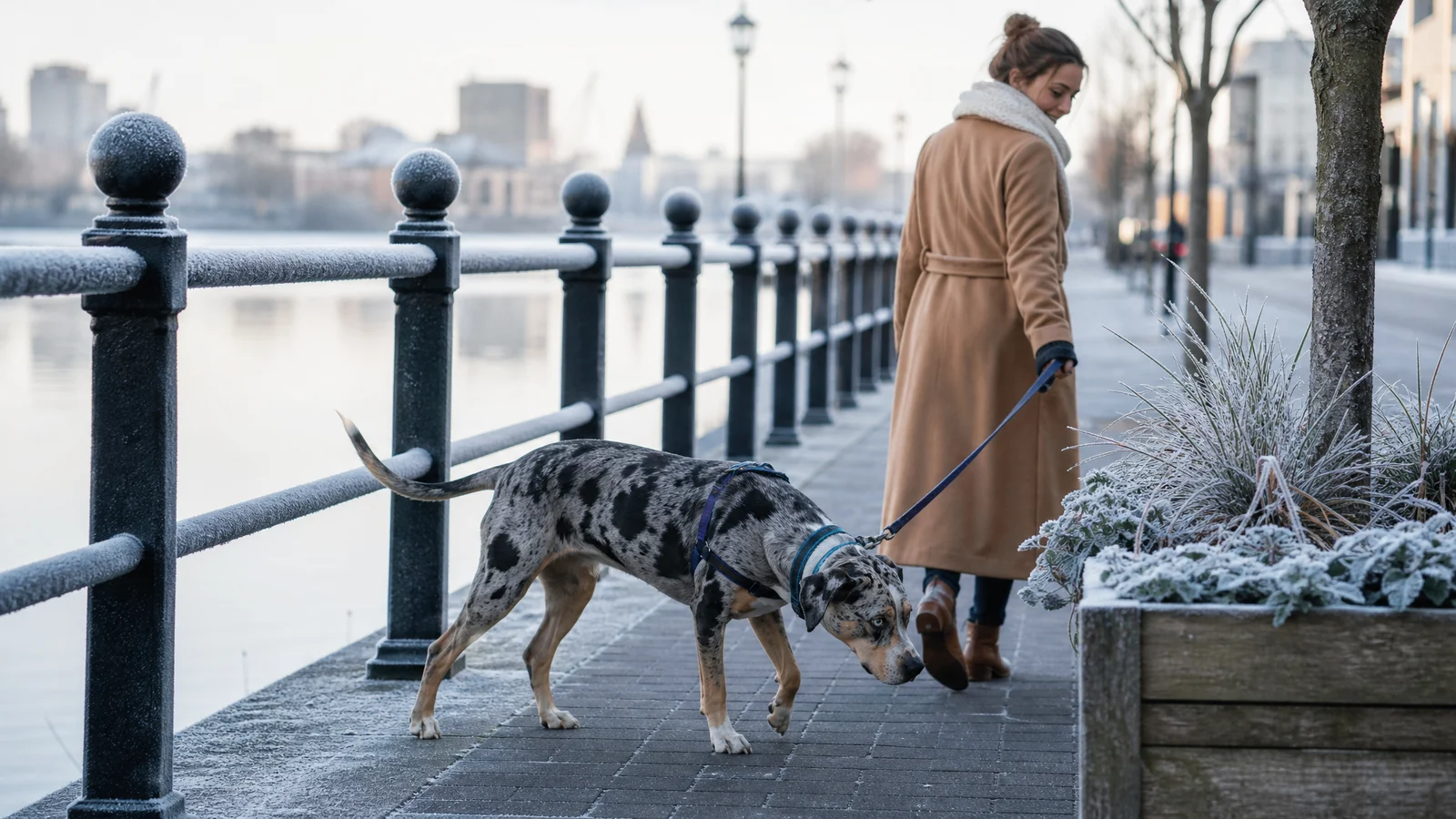
The easiest exercise mistake with a Catahoula is trying to empty their energy tank through speed alone. More running can produce a fitter dog who still has no practice settling, sniffing thoughtfully or following a cue around distractions. Activity needs a shape, not just greater intensity.
No universal daily quota fits every Catahoula. Age, health, weather, experience and recovery all change what is appropriate, and mental work complements movement rather than replacing it. This guide builds a mixed exercise toolkit from walks, fenced play, exploration, brain games and rest, then shows how to adjust the plan over two weeks using the dog in front of you. The dog's response, not a generic target, decides what changes next.
Catahoula Leopard Dog Exercise
Purposeful activity does not require specialized working instruction. The breed exercise guidance includes fenced yard play and walks throughout the day. Interaction, choice and a calm finish make both options more useful.
Build the day from different tools. Movement supports physical condition, sniffing allows investigation, brief training gives the dog a problem they can solve and recovery teaches the nervous system to downshift. Repeating only the most exciting tool can leave the dog increasingly aroused even as their body becomes tired.
| Tool | Main Job | Useful Feedback |
|---|---|---|
| Walk | Movement and changing information | The dog can explore and reconnect with you |
| Fenced play | Free movement and shared interaction | Play includes pauses and ends cooperatively |
| Brain game | Choice, memory or scent use | The dog stays engaged without frantic searching |
| Skill practice | Communication in daily life | Cues remain responsive and rewards retain value |
| Recovery | Rest after activity | The dog drinks, relaxes and settles normally |
The mix should serve the individual, not create a perfect-looking schedule. A young dog may need shorter, varied opportunities and more rest. A mature dog with an established routine may enjoy longer outings. A dog returning after a health change needs veterinary guidance before the activity load increases.
We recommend judging the plan by the whole day. A dog who enjoys an outing but cannot settle afterward may need less intensity, a quieter finish or better rest conditions. A dog who remains interested, moves comfortably and relaxes later is giving a more useful answer than a breed label alone.
- Include physical movement that suits the dog's current condition and environment.
- Provide a chance to sniff or investigate without constant cueing from the handler.
- Add a short problem the dog can solve through rewarded choices.
- Protect uninterrupted recovery so activity does not become one long arousal cycle.
Catahoula Exercise Movement Tools
Movement is the broadest part of the toolkit, so separate its jobs. A walk can supply steady motion, exploration and training. Fenced play can allow freer turns and shared games. Low-key exploration can make a modest outing mentally rich without turning every day into an endurance project.
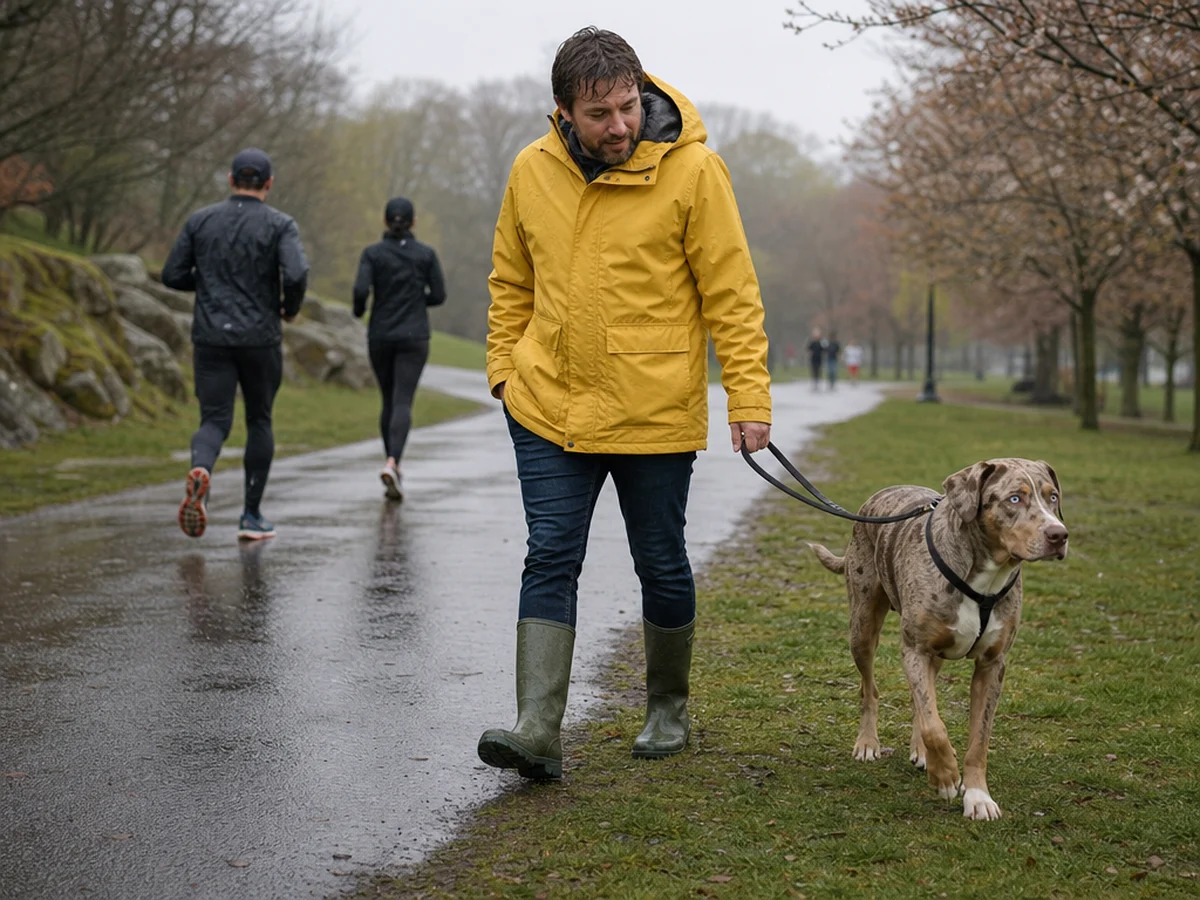
Walks With More Than One Pace
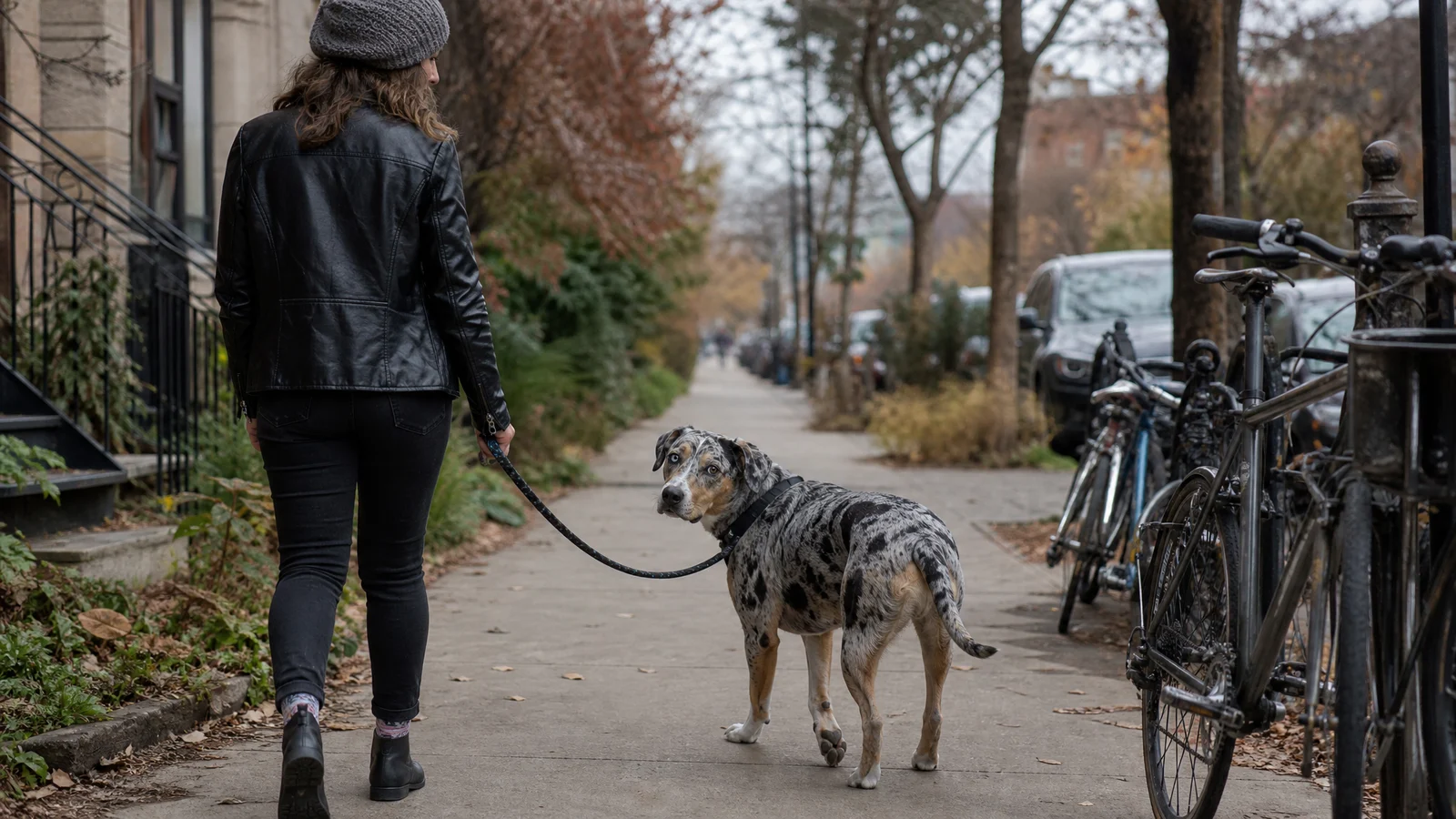
Choose a route with room to move away from crowded moments. Begin at a pace where the Catahoula can notice the surroundings and still check in. Alternate stretches of easy walking with places where sniffing is welcome, then finish on a calmer segment rather than ending immediately after the most exciting event.
Do not measure the walk only by distance. A new environment can demand more attention than a familiar route, while heat, noise or close traffic can increase the load further. If the dog stops taking rewards, scans continuously or pulls toward every movement, make the setting easier instead of adding distance.
Let the leash protect safety without turning the outing into constant restraint. Reward voluntary orientation and loose movement near you. Our Catahoula training home connects exercise planning with the site's leash and behavior guidance when the walk itself needs more structure.
Fenced Play With Pauses
A yard is useful only when the activity has a beginning, middle and end. Invite a game, pause while the dog can still think and restart when they offer calm attention. Those pauses prevent play from climbing until the dog can no longer respond or stop cooperatively.
Use toys and games the individual already handles safely. Avoid repetitive, abrupt turns when the dog is not conditioned for them, and watch footing. The aim is enjoyable movement, not proving how long the dog can continue. End while the Catahoula can carry the toy, follow you or transition into sniffing.
Independent yard time may produce patrol, digging or fence running rather than balanced exercise. Shared activity makes the space more meaningful. After play, walk slowly through the yard, scatter a small food search in a safe patch or return indoors for water and rest.
Low-Key Exploration
Exploration gives the Catahoula information without demanding speed. A quiet path, a different safe surface or a slow sniffing loop can make an ordinary outing feel new. Keep the dog leashed where required and avoid using exploration as a reason to enter spaces where distance or control is uncertain.
Working history offers context, not a household assignment. Recreation and safe exploration can be enough. Historical tasks do not need to be imitated.
Catahoula Leopard Dog Thinking Games
Brain games should invite the dog to use a natural skill under simple household rules. The enrichment guidance highlights play, chasing, smelling, chewing and scavenging as normal needs. Safe games can offer those outlets while keeping the handler part of the picture.
Food Searches With a Clear Area
Begin in one uncluttered room with food visible on the floor. Release the dog to find it, then end the search with a consistent phrase and move together to another activity. As the Catahoula understands the game, place food partly behind safe objects or across a wider area.
Keep the search calm enough that furniture and household items remain irrelevant. If the dog begins racing, grabbing objects or ignoring the end cue, reduce the area and make the food easier to locate. Difficulty should come from thoughtful searching, not frustration.
Choice Games for an Independent Dog
Offer two familiar objects and reward interaction with the one you indicate. Later, place them farther apart or ask for a pause before release. The task gives independence a productive channel because the dog still makes the movement and solves the location, while the handler defines the rule.
A marker word can identify the exact correct choice. Deliver the reward where you want attention to finish, usually near you or beside the chosen object. This prevents the game from becoming an uncontrolled chase and makes another repetition easy to begin.
Household Skill Circuits
Link a few familiar behaviors through ordinary spaces. The dog might go to a mat, touch a hand, walk beside you to another room and find a toy. Keep the circuit short and change the order only after each piece remains clear. The value comes from listening and shifting tasks, not from complexity.
Use life rewards as well as food. Opening the door to the yard, releasing the dog to sniff or beginning a shared game can reinforce a completed skill. Reward-based training becomes part of daily movement instead of a separate event that competes with everything the Catahoula wants.
- Stop a search while the dog is still working carefully and can respond to the finish cue.
- Change only one part of a game, such as location, object position or delay.
- Choose safe household materials and supervise anything the dog may chew or pull apart.
- Follow demanding thinking with water, a quiet transition and a genuine chance to rest.
Reading Catahoula Exercise Feedback
The dog's response turns a collection of activities into a plan. Before activity, notice movement, enthusiasm and ability to engage. During it, watch coordination, breathing and attention. Afterward, note how readily the dog returns to ordinary behavior and whether rest looks comfortable.
More is not automatically better when unwanted behavior appears. Restlessness can reflect too little activity, but it can also follow an outing that was too intense or stimulating. Compare the context. A dog who patrols after a fast, crowded excursion may need a quieter route and longer downshift rather than another hard session.
The breed standard allows for variation in energy and describes a dog who can be serious during purposeful activity and playful at home. Expect individuals to differ. One Catahoula may recover well after a busy outing, while another needs familiar places and more pauses.
Regular vet visits help establish what normal movement and recovery look like for the individual. Ask your veterinarian before making a major activity change for a puppy, an older dog or a dog with a recent health concern. Stop the session and seek guidance when movement changes suddenly or recovery looks abnormal.
Behavior offers feedback too. Useful exercise tends to leave the dog able to eat, respond, drink and settle. A plan that repeatedly produces frantic searching, difficulty disengaging or loss of sleep needs adjustment even if the dog appears physically capable of continuing.
- Keep the current plan when enthusiasm, movement and recovery remain steady.
- Lower intensity when arousal rises across the outing or settling becomes harder afterward.
- Change the environment when crowding and surprise triggers overwhelm the intended activity.
- Seek professional guidance when safety or a sudden physical change limits ordinary exercise.
Two-Week Catahoula Exercise Plan
Begin the first week by observing the current mix without chasing a target. Note the type of movement, the brain game, the recovery period and the dog's behavior later in the day. Use broad descriptions instead of unsupported precision. You need a pattern you can compare, not a performance score.
Choose one change for the second week. Add a sniffing segment to a familiar walk, replace one high-arousal game with a food search or create a calmer finish after fenced play. Keep the rest of the routine recognizable so the dog's response has a clear context.
Compare settling, enthusiasm and recovery across similar days. If the change helps, keep it and later adjust another part. If the dog becomes less comfortable or less responsive, return to the earlier version. A useful plan can move backward without becoming a failure.
For structured recreation, the guide to Catahoula sports keeps the choice recreational. Sports remain optional. Safe movement, thinking and rest can make a household routine purposeful.
The right amount of exercise is the amount that supports the individual Catahoula's health, engagement and ability to settle. Let two weeks of comparable observations guide the next small choice. The goal is not to outlast an energetic dog. It is to build a day their body and mind can complete comfortably.
 Training basicsHow to Potty Train a Catahoula Puppy
 Training basicsHow to Train a Catahoula Leopard Dog the Reward-Based Way
 Training basicsLeash Training a Catahoula: Pulling, Lunging and Loose-Leash Walking