 Catahoula
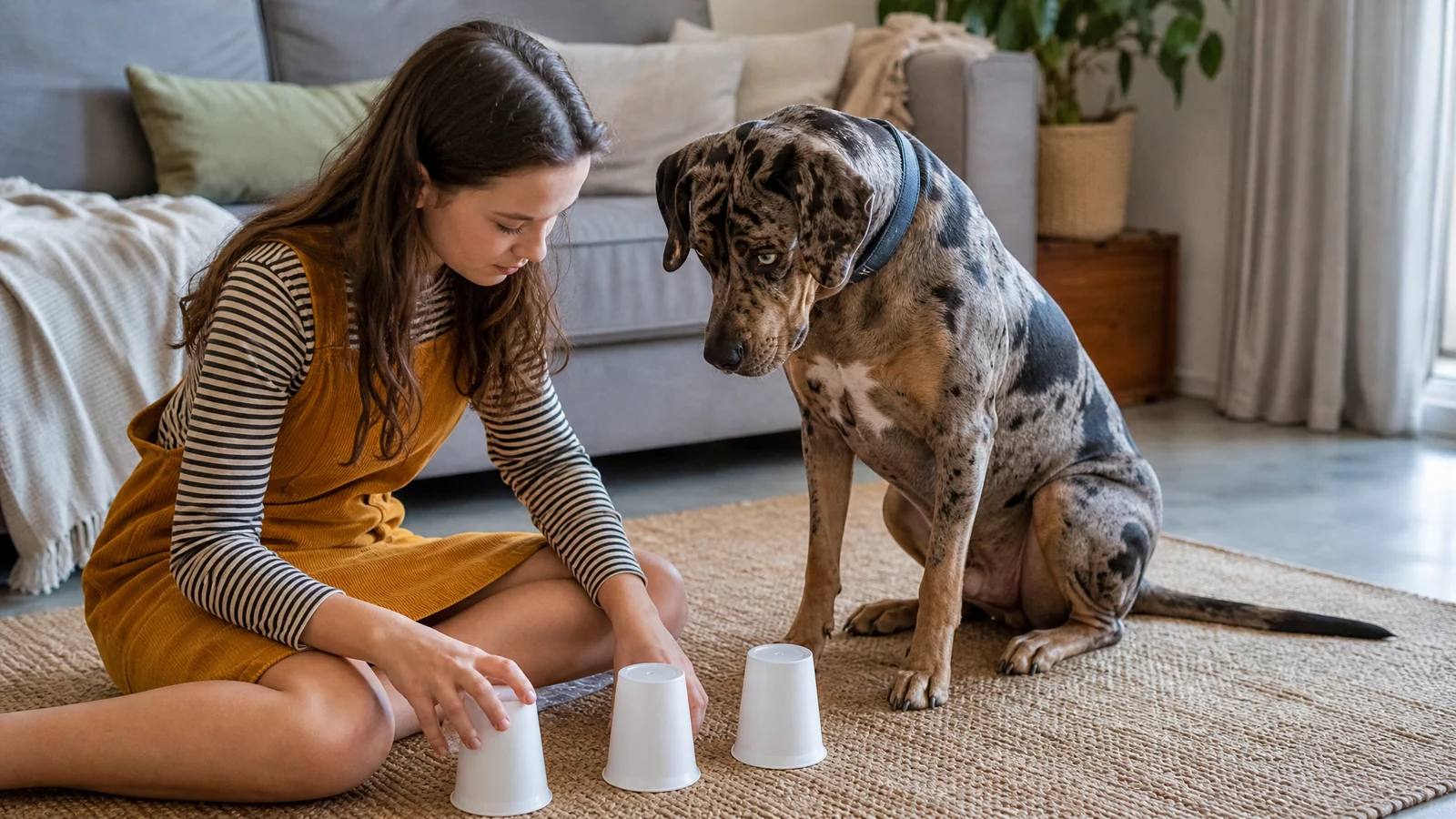
In puppyhood, a Catahoula can learn to answer their name, wait at a door and settle on a mat, and that is the entire curriculum. Through adolescence you can add scent games, simple tricks and obstacles lying flat on the ground. Closer to full maturity, beginner classes are reasonable if your vet agrees, and later still many dogs are ready for real jumping and stock work.
That timeline matters because the energy and stimulation ratings for this breed are 5 of 5 and 4 of 5, a polite way of saying a bored Catahoula will hire themselves for a job. Start too hard and you risk sore joints. Start too late and you get a restless adolescent with a fence-climbing hobby. We'll walk you through the age checkpoints, then the job families, herding, agility, obedience and rally, and a weekly schedule you can actually keep.
When Dog Sports Can Start
Growth plates are the soft zones near the ends of a puppy's long bones, and they stay open for a long time in a medium to medium-large, muscular dog. Until they close, repeated jumping, hard turns and long runs ask a lot of a body still under construction. That is why age sets your starting point for every dog sport, and why regular vet visits belong in the plan from day one.
The First Months
Sport at this age means foundation games. Reward name response, waiting, recall in a fenced space and calm handling, and keep each session short enough that your puppy ends it wanting more.
A puppy who learns to settle early makes a far better class student than one who only learned to sprint. Even with a daily run or hike, a young dog who spends much of the day crated can still act out, so out-of-crate time with you counts as training too.
Adolescence
Through the teenage months, keep obstacles low and sessions about thinking: scent games, tricks, easy rally signs and a rewarded wait at a start line. Adolescents also benefit from outings that include a task, so let the walk do double duty. A walk where your dog also has to find a hidden treat or practice a sit at every curb does more than the same walk at a trot.
Near Full Growth
Formal sport, with height, speed and repetition, belongs closer to full growth, and heavier jumping and stock work later still. Dogs vary, so let your vet make the call rather than the calendar. The choice for now is simple. Start foundations the week your puppy comes home, and hold formal sport and stock work until your vet agrees the body is ready.
Catahoula Leopard Dog Jobs Beyond Dog Sports
The breed standard says to judge the Catahoula as a multi-purpose working dog, and it penalizes faults in proportion to how much they interfere with the ability to work. The AKC's mental stimulation scale runs from "Happy to Lounge" to "Needs a Job or Activity," and this breed lands at 4 of 5, near the top. So the question is not whether your dog needs a job but which kind your household can supply.
Sport as a Hobby
Agility, obedience and rally are the usual starting points, and training for them is a good way to give your dog exercise as well as something to think about. Catahoulas have competed successfully in sled-dog racing in Canada, though few owners will want that kind of logistics. A sport suits a household with a regular free evening and patience for homework, since class is only the exam.
Swimming, hiking and fetch are good outlets too, and the breed is an excellent swimmer. Balls and flying discs are play only, with no drilling and no escalation. They are dessert, not dinner, because owners report that exercise alone often leaves these dogs wound up.
Real Working Roles
A working role asks more of you than a hobby does, and each starts with a temperament check. Openness to strangers is rated only middling, and owners report some Catahoulas bark or react when visitors arrive.
- Search and rescue takes long training and steady commitment from the handler, and local teams set their own entry rules, so ask them directly what they require.
- Detection work builds on the search games taught in K9 Nose Work, where dogs find scents hidden indoors and outdoors, and beginners start by sniffing out a favorite reward concealed in one box among several.
- Service work is hard mostly because the dog must stay quiet, attentive to the handler, accepting of many environments and unfazed by nearly anything.
- Therapy work carries no federally protected right of access, so a facility's management can still turn a visit down.
Owners report that once a visitor is properly welcomed, the dog treats them like family, and that having guests ask for known commands and reward only calm behavior stopped stranger reactions. That is the manners work every role above demands, so start it long before you apply.
Picking Your Lane
If you have a free evening each week and enjoy homework, choose a sport. If you want the drive to become real purpose, choose a role and test temperament first. Either way, keep swimming and fetch for the weekend.
Catahoula Leopard Dog Herding and Stock Work
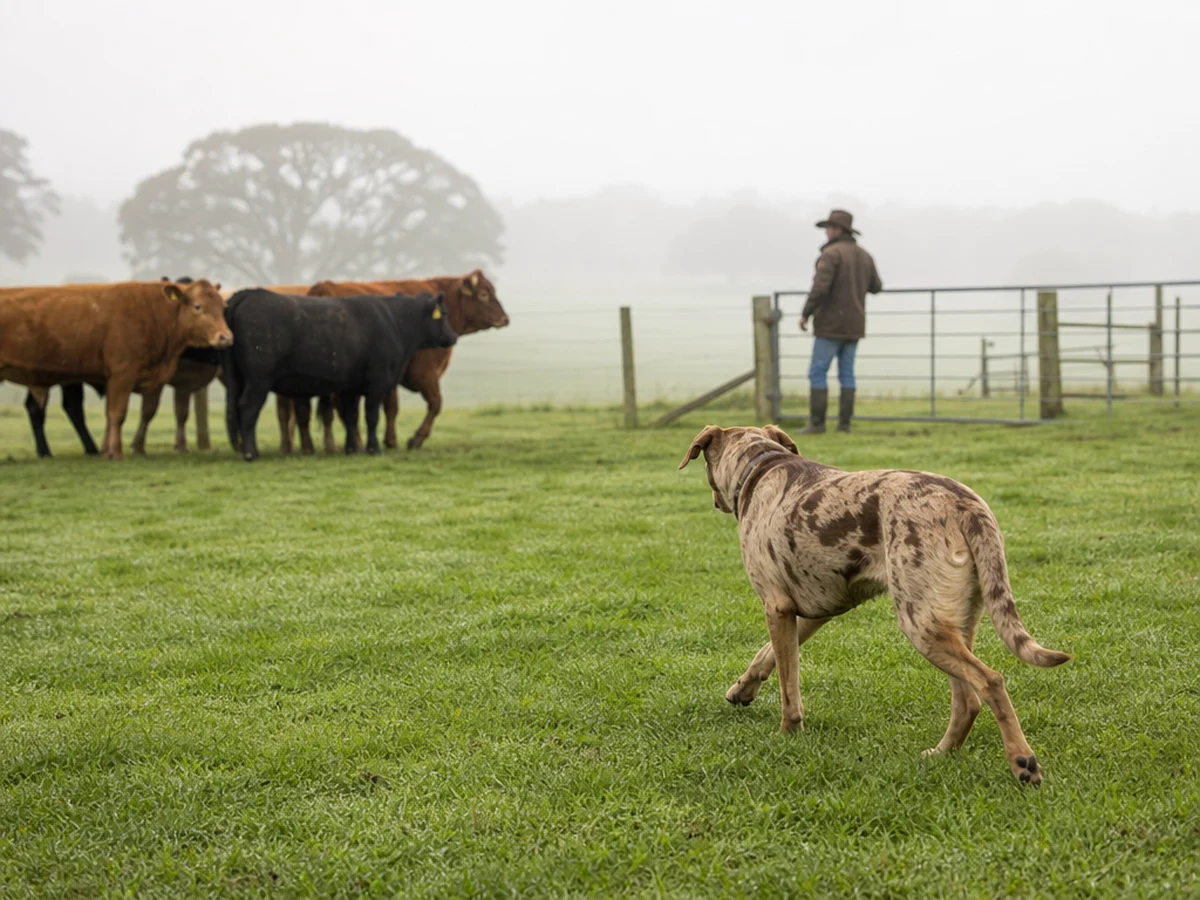
Stock work comes down to a practical question: can you reach real animals and a person who knows how to handle them? Settlers around Catahoula Lake in central Louisiana used these crossbred dogs to pen and catch wild hogs and cows, and the practice became a planned way of managing the wild herds. Catahoulas have also gathered wild Brahman cattle on huge ranches in Venezuela, and the breed now sits in the Herding Group.
Finding a Stock Trainer
Look for an instructor who has worked strong, forceful stock dogs and teaches with treats, play and calm handling. Ask to watch a lesson first, and notice whether the animals stay calm and the dogs get paid for good choices. Before your dog meets a single animal, a few skills should be in place.
Start with a reliable stop, such as a down on a marker word, paid with a treat. Add a recall practiced on a long line until it holds when your dog is excited, along with a calm interrupt, such as a rewarded leave-it, that works on an overexcited dog. Finally, build a check-in habit, so your dog glances back at you without being asked.
Instinct Testing
A first session is a look, not an exam. Wait until your dog is near mature, use a steady, calm animal and watch what happens. Does your dog notice the stock, approach deliberately, glance back at you and take a treat for pausing? Those are good signs. A dog who ignores the animals or charges in blindly is giving you information too, and neither makes them a bad dog. Not every Catahoula takes to stock.
Realistic Expectations
Expect enthusiasm and close, forceful work, not polished choreography. A weekly lesson is also not a farm job, so keep your other outlets going. Owners report that this breed can bolt or wander far outdoors, and some dogs who are obedient indoors act as if the handler does not exist outside, so use a long line in unfamiliar or dark places and pay generously for every recall.
Go if real stock and a reward-based instructor are within reasonable driving distance and your dog is near mature. Skip it if not, and send the same instincts into agility or scent work with no loss of dignity on anyone's part.
Agility as a Catahoula Leopard Dog Sport
Agility looks like the obvious pick for a dog described as well muscled and powerful with a sense of agility and endurance, and owners back that up with reports of dogs who clear fences and scale play structures. The catch is that a dog this athletic can outrun their own training. With energy rated 5 of 5, yours will happily try things their joints are not ready for, and with an independent streak they may redesign your course as they go.
Readiness Before Class
Before you sign up, check the boring skills: a wait at a start line, a recall that survives distraction, and the ability to work with other dogs in the room without needing to meet them. Some owners report dogs who avoid or dislike other dogs, with growling when approached to play, and some Catahoulas turn selective in adolescence. Choose a class with space, or start with private lessons.
Impact and Height
Keep bars on the ground, tunnels flat and jump work minimal while your dog is growing, and let your vet clear heights as they mature. Agility-style obstacles at home count as brain work as well as exercise, since owners of exceptional jumpers and climbers keep asking for fresh problems to solve. Secure the yard too, because a dog who loves to jump does not treat your fence as a boundary just because they now attend a class.
Handler Focus
An independent dog works at a distance and makes their own calls, so you have to be more interesting than the next obstacle. Use a marker word, pay at the end of each short sequence and add a toy reward if your dog likes to tug. Reward every check-in, however small. Keep runs short and finish while your dog is still keen, because a frustrated Catahoula will build their own course.
Enter when your dog is mature, your vet agrees and the start-line wait holds. Begin with a beginner class or a relaxed fun run at low heights, and skip competition until you have had several calm sessions in a row.
Obedience and Rally Dog Sports
Both sports pay for the same skill, which is paying attention to you when the world offers better options. Trainability is rated 4 of 5, which in practice means these dogs learn fast and then weigh whether to bother. Cues learned in the living room do not carry over on their own, so rebuild them gradually in harder settings, and either sport gives you a place to do that.
Obedience and Precision
Obedience is precise and repetitive: heeling, stays, recalls and set patterns. That suits a household with steady daily practice time and a dog who enjoys structure, but a dog bred to improvise gets bored with a script faster than most. Keep sessions brief and pay in play as well as treats. A rewarded leave-it cue often brings an overexcited dog back down, and obedience is a tidy place to polish it.
Rally and Variety
Rally is looser, because you move through a course of signs and the exercise changes every few steps, which keeps a restless mind busy. It is also a gentler way to work around unfamiliar dogs, since you can start in a quiet corner and leave when patience runs out. Pre-meal tricks make good rally practice, since asking for a few cues before dinner turns feeding time into a short shift of paid work.
Matching Your Household
Decide by the hours you really have. If your week holds only a few evenings of training time, choose rally. If you can practice daily and enjoy precision, choose obedience.
Weekly Dog Sports Schedule
A schedule for a Catahoula has to survive an ordinary Tuesday, not just the first enthusiastic week. Build it around a main activity and fill the gaps with cheap mental work, because physical exercise alone often does not settle these dogs. Some stay wound up or reactive in public even after a long run, while others tire, rest briefly and bounce back.
Energy varies by individual and age. Some mixes are low energy, and owners of senior Catahoulas report dogs who still outlast younger ones. Use this table as a frame and adjust it to the dog you actually have.
| Day | Plan |
|---|---|
| Monday | Short foundation session plus a scent game at home |
| Tuesday | Class or lesson in your chosen sport, then out-of-crate time |
| Wednesday | Rest from sport, a sniffy walk and a few tricks before meals |
| Thursday | Practice class skills at home, plus a swim or easy hike |
| Friday | Nose work session or trail game, finished while your dog is keen |
| Weekend | A longer outing with a task in it, plus a true rest day |
Spotting Burnout
Burnout shows up at home before it shows up in class, so watch for these signs:
- Your dog stops taking treats or working at a class they used to love.
- Barking, destruction or reactivity at home rises instead of falling.
- Cues that were solid indoors fall apart sooner than usual, or your dog seems to ignore you.
- Stiffness, reluctance to jump or a limp, which is a call to your vet, not a training problem.
- Your dog is wound up every evening despite a big day, which usually means more mental work and more time out of the crate, not more miles.
Keeping It Repeatable
Common advice says to run a Catahoula until they drop. We have trained this breed for many years and we disagree, because a tired body is not a settled mind. Some owners also find that regular busy days out leave their dog sleeping through the quiet days between, which is a sign to lighten the load. Choose the schedule you can repeat every week, and cut an item before you skip a rest day.
Your Catahoula Leopard Dog's Sports and Job Plan
Every decision above feeds a single plan. A Catahoula was bred to work all day, so a plan that mixes thinking, moving and rest beats one that only tries to wear the dog out. Commit to this for the month ahead:
- Book a vet visit and ask which activities suit your dog's age and body.
- Pick your lane, sport or working role, and book a single beginner session.
- Run foundation games at home daily: a marker word, a stop, recall on a long line and a rewarded settle.
- Add a few tricks before meals as daily mental work, and protect out-of-crate time.
- Put the weekly schedule on the fridge, rest day included.
Do that and the fence climbing, the barking at passersby and the sofa renovations tend to lose their purpose. Start tonight by writing down the activity, the session and the date.
Three questions usually follow once the plan is running, and the site has a fuller answer for each:
- How much exercise is enough once a sport joins the week? Our guide to Catahoula exercise and brain games covers daily needs and why miles are only half the answer.
- What does training look like from the first week? Start with reward-based Catahoula training and work forward.
- How independent is too independent for a competitive dog? Read what an independent temperament means before you set goals.
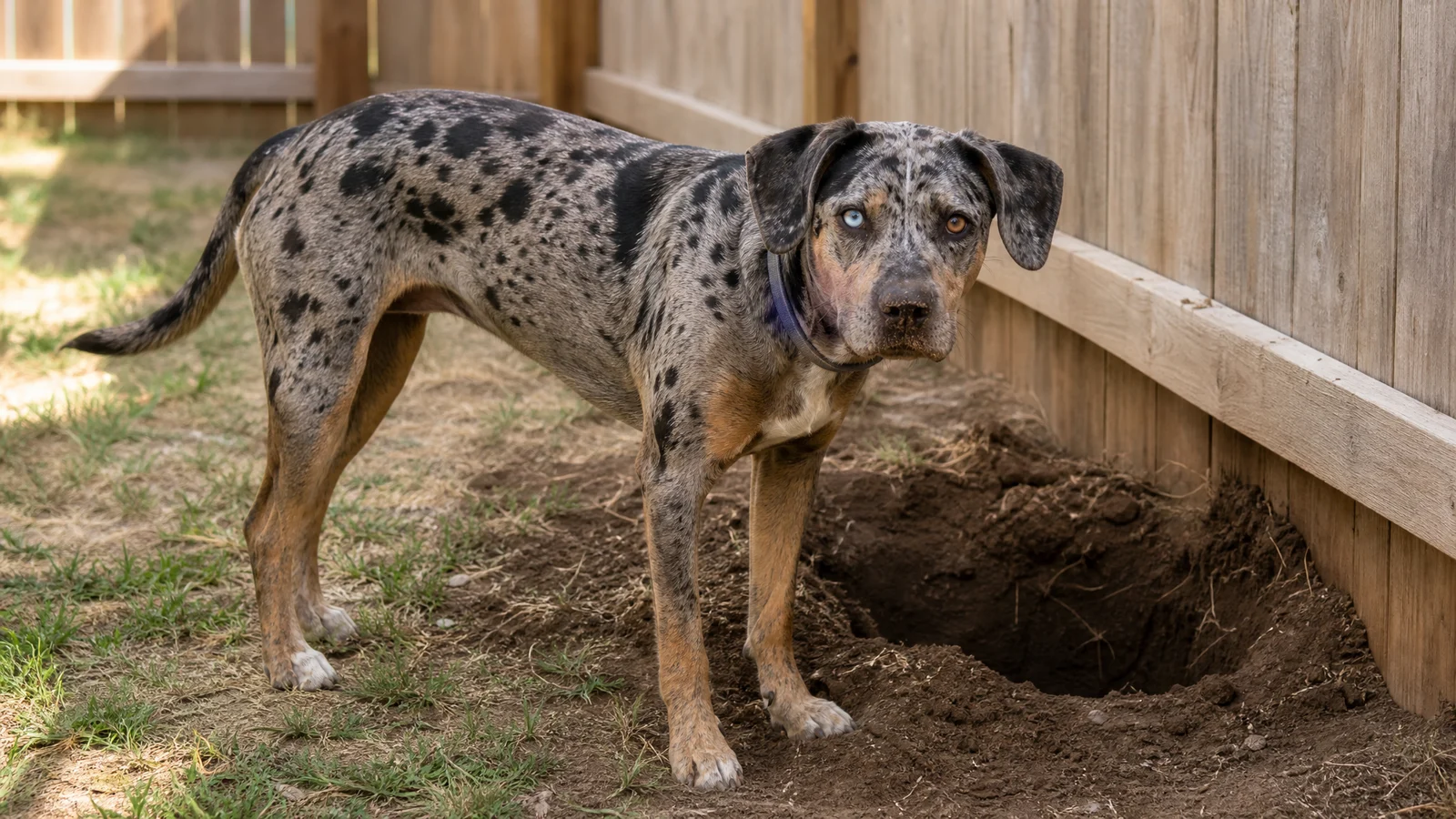 BehaviorCommon Catahoula Behavior Problems and the Instinct Behind Each
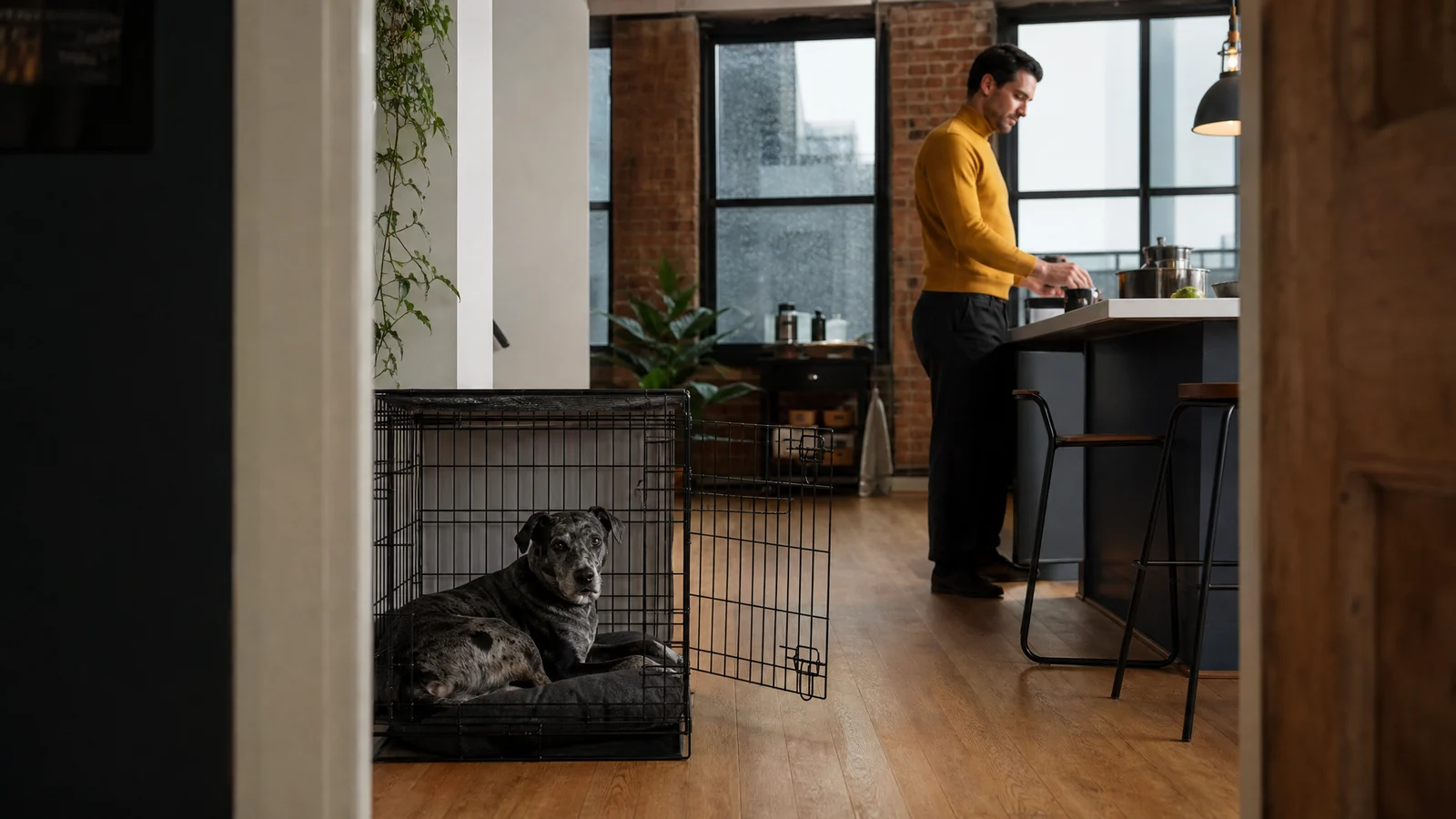 Training basicsCrate Training a Catahoula and Preventing Separation Anxiety
 Exercise and jobsHow Much Exercise Does a Catahoula Need? Plus Brain Games