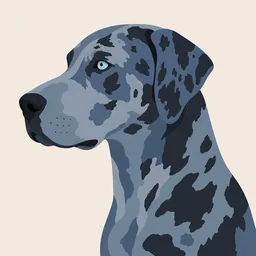
 Catahoula
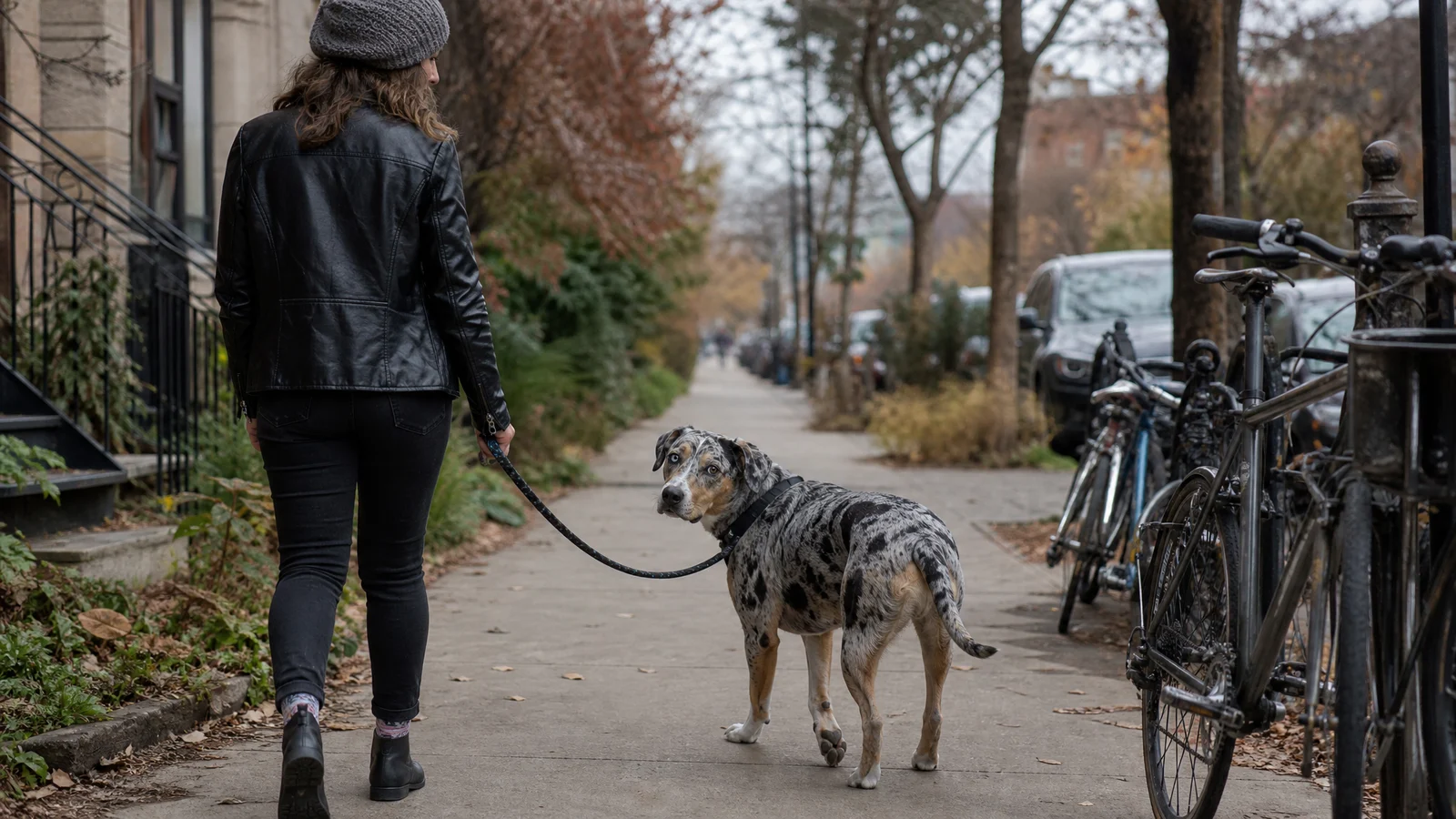
Loose-leash walking begins when a tight leash stops producing forward travel and slack reliably opens the route again. That answer is simple, but applying it to an alert, energetic Catahoula requires more than stopping at random. The dog needs a clear way to reconnect before the environment wins their full attention.
Start farther out than the pulling itself. Route choice, doorway arousal and orientation determine whether the dog can notice leash pressure before they are already committed to movement. This guide narrows from the walk's setting to the instant slack appears, then covers reward placement, early fixation, lunging and one useful repetition to practice today. Each layer becomes easier before the next one is added.
The Route Shapes Catahoula Leopard Dog Leash Training
A training route should leave room for choices. Narrow sidewalks, blind corners and busy entrances reduce your options before the walk begins. Choose a familiar area with places to turn, step aside or increase distance. The easiest route is not a shortcut. It is the setting where the skill can actually be learned.
Walk the route without the dog if you are unsure about it. Notice loose dogs, gates, traffic patterns and sections where another walker could appear suddenly. Plan calm exit points rather than waiting until the Catahoula is staring or pulling to decide where to go.
Prepare rewards before attaching the leash. They should be easy to deliver without searching a pocket, and valuable enough for the setting. Use a secure, comfortable walking setup that lets the dog move naturally. Equipment supports safe handling, while reinforcement teaches the behavior.
- Choose a quiet starting area with enough space to turn without crowding anyone.
- Carry rewards where the leash hand does not need to release or rearrange its grip.
- Decide which side or reward position will keep the walking picture consistent at first.
- Identify a calm finish where the dog can sniff, drink and transition out of the walk.
The route should also fit the dog's current ability. A Catahoula who can walk loosely on a driveway may not be ready for a busy trail. Skills do not transfer merely because the cue is familiar. Add one kind of environmental difficulty while keeping distance and duration easy.
We recommend beginning with a route that feels almost too simple. Early success gives you more rewarded slack to build on. A crowded route creates repeated pulling, then asks the handler to undo a pattern that the walk itself keeps paying with access.
Why Does the Catahoula Leopard Dog Leash Tighten Early?
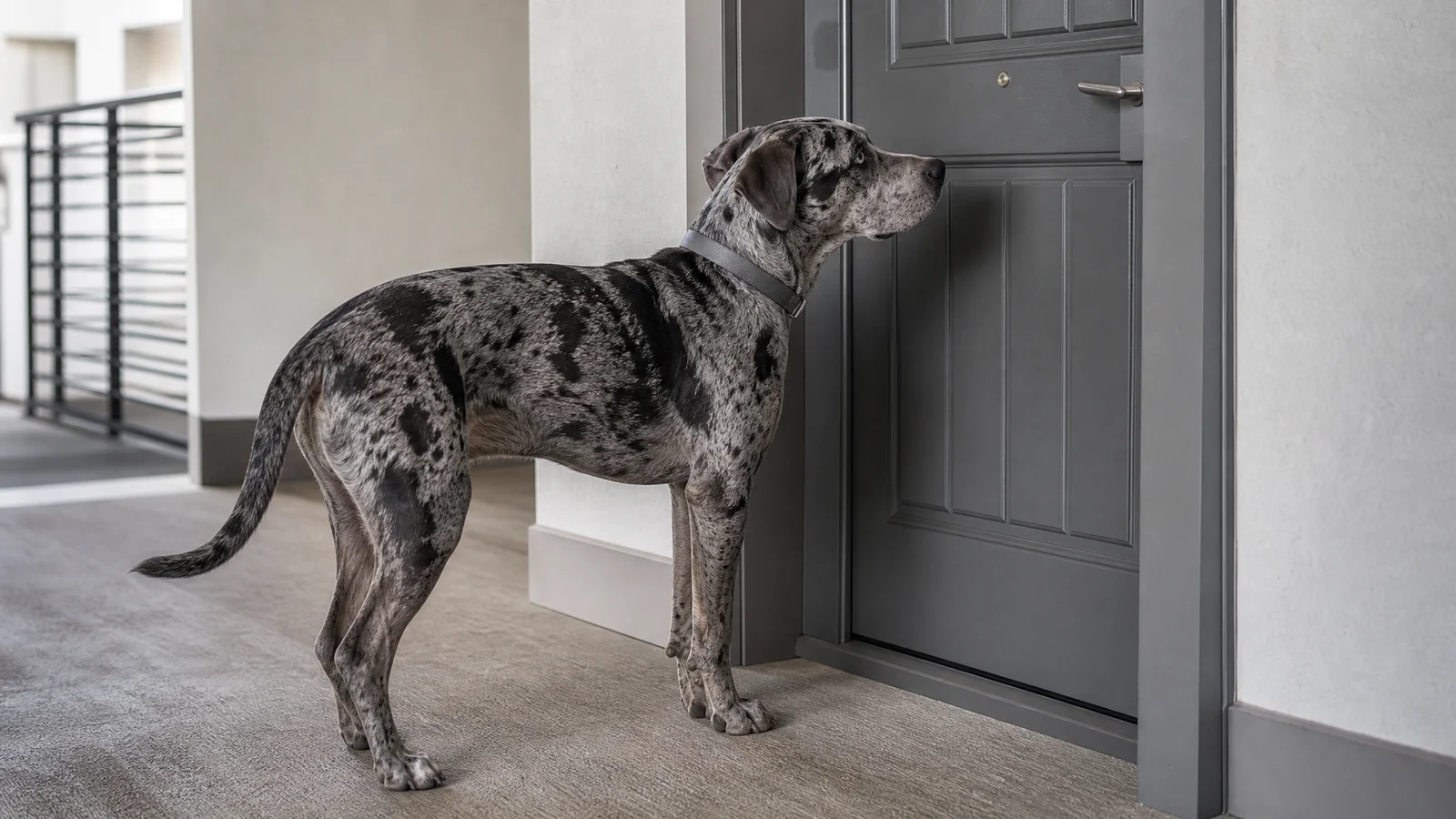
Watch the launch point. If the Catahoula surges as the door opens, the first block begins at a level of arousal where quiet leash information may not matter. Pulling can then become the route to every smell, corner and patch of ground. The walk teaches the habit before formal practice starts.
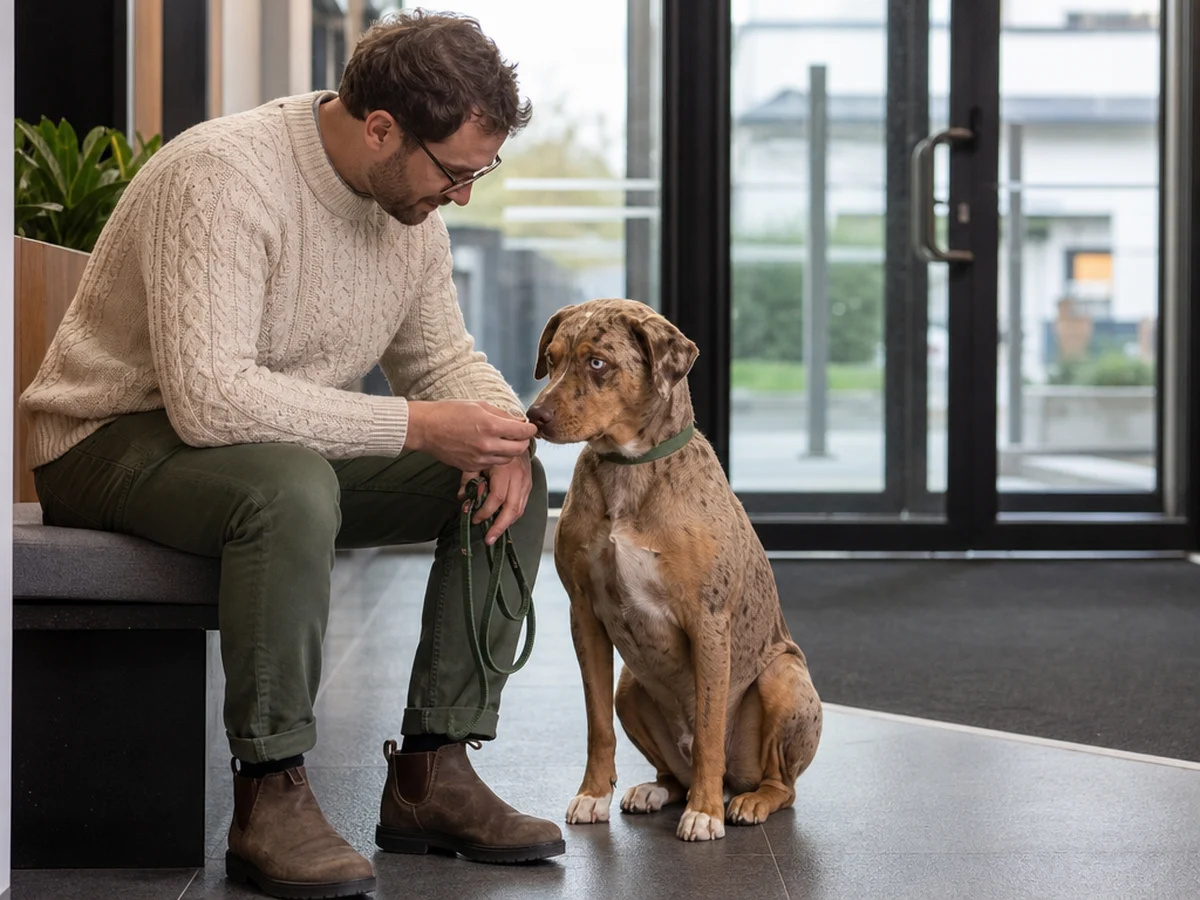
The loose-leash guidance explains that excitement, desire to explore and learned success can all contribute to pulling. That framework fits the doorway. The dog moves, the environment opens and tightness becomes part of the sequence.
A Calm Exit Changes the First Block
Practice the exit separately. Approach the door, reward a pause and move away again. Touch the handle, reward orientation and return to the room. Open the door only as far as the dog can remain available. If they rush, close it gently and make the next repetition easier.
Outside, spend the first part of practice near the starting area rather than marching forward immediately. Reward a head turn, a glance toward you and a step that leaves slack. Then release the dog to sniff a nearby safe spot. Access to the environment becomes a reward for connection instead of a prize won by towing.
Distinguish purposeful movement from constant close position. A dog can walk ahead while the leash remains loose, and sniffing can belong in the walk. The criterion is a soft line and an ability to respond, not a rigid position beside the handler for the entire outing.
When exercise needs are high, meet them through a balanced plan rather than expecting one training walk to do every job. A short skill session can precede safe play or exploration. This keeps loose-leash work clear and prevents fatigue or frustration from turning the entire outing into a negotiation.
Orientation Before Catahoula Leash Training
Orientation means the dog can turn attention toward the handler and move with them. Teach it away from the sidewalk first. In a quiet room or fenced area, mark the moment the Catahoula looks toward you. Place the reward near the walking position, then move a few steps and wait for another voluntary check-in.
Do not fill the silence with repeated name use. The dog should discover that checking in makes useful things happen. Once the turn is prompt, add a single cue before moving. Reward when the dog catches your motion and joins you, even if the position is not polished.
Change direction in gentle arcs rather than abrupt pivots. A smooth turn lets the dog notice your body and follow without collision. Mark the first step with you and place food at the next starting position. Reward placement is part of the map.
The Battersea marker training guide stresses accurate marking followed promptly by the reward. A verbal marker works too when it is consistent. The marker should identify the instant the dog turns or creates slack, not merely announce that food is coming eventually.
Move the Skill Outdoors in Pieces
Move the game to the driveway or another quiet outdoor space after it is fluent indoors. Lower your expectation when the setting changes. Reward the first glance and the first step with you. The outdoor version is a new layer of learning, not proof that the indoor lesson failed.
Connect orientation to the communication in the complete training guide for Catahoulas. Markers and release cues should stay consistent across skills. That shared language reduces repeated prompting.
Reward Slack in Catahoula Leopard Dog Leash Training
Now narrow the lesson to the leash itself. Begin moving while the line is soft. Mark before the dog reaches the end and deliver the reward beside your leg or slightly behind it. This position brings the dog back into slack and makes the next step easier.
If the leash tightens, stop smoothly. Keep your hands steady and wait for the dog to shift weight, glance back or take a step that releases pressure. Mark that change, reward near you and resume movement. Forward travel returns because the dog created slack, so the consequence matches the lesson.
A dog who remains fixed forward may need help finding the answer. Make a soft inviting sound once, move a step away from the line of interest and reward the turn. Then choose an easier direction. Remaining in place while the dog strains can rehearse the physical pattern even though nobody moves.
Forward Access Can Pay for Slack
Use access as a reward. Release a loosely walking Catahoula to investigate a safe sniffing spot. Cooperation becomes their route to exploration.
Keep reinforcement frequent in a new place and less predictable only after slack is stable. Reducing food too quickly can expose that the environment still pays better. You can later vary rewards among food, sniffing, forward movement and shared play, while keeping the marker precise.
Separate leash skill from potty urgency or discomfort. Meet basic needs before asking for detailed walking work. The Catahoula potty training sequence can help a puppy begin the walk with a clear body and a familiar route rather than treating every exit as the same lesson.
Catahoula Leash Training at the Trigger Edge
Lunging is not simply stronger pulling. It often follows a sequence in which the dog notices something, becomes still, leans forward and loses the ability to disengage. Training is most effective near the beginning of that sequence, at a distance where the Catahoula can still eat and turn.
| Body Signal | Availability | Handler Choice |
|---|---|---|
| Soft scan and easy glance back | Ready to learn | Mark the check-in and continue with space |
| Closed mouth and longer stare | Starting to narrow | Turn away and reward movement with you |
| Forward weight and still body | Near the edge | Increase distance behind a visual barrier |
| Lunge or repeated vocalizing | Overwhelmed | Leave the area and lower the next setup |
Early Fixation Leaves a Choice
When the Catahoula notices a trigger but can still turn, mark orientation toward you and move away together. Reward after the turn so the dog finishes facing the safer direction. A short food search on the ground can help attention broaden once adequate distance is in place.
Do not ask the dog to hold position while the trigger approaches. Movement can be the safer skill because it creates space. Choose an arc rather than moving straight toward or directly across the other party's path, and let a parked vehicle or hedge block the view when possible.
Active Lunging Requires an Exit
When lunging has begun, prioritize leaving over teaching. Keep the leash secure, move away without adding confrontation and reach a quieter place. The dog may need time before they can eat or respond again. That recovery period is part of the information you use for the next route.
The Best Friends pulling resource favors reward-based leash work and warns that force can worsen lunging concerns. Build distance, reinforce the behavior you want and avoid turning the sight of a trigger into a struggle with the handler.
Choose skilled help when common walks cannot remain safe, the dog cannot recover after triggers or lunging is escalating. A qualified reward-based professional can observe the sequence and design controlled setups. Keep regular veterinary visits, and bring any abrupt shift in tolerance or movement to your veterinarian.
Today's Quiet Catahoula Leopard Dog Walk
Pick the quietest practical route, prepare rewards and pause before opening the door. Outside, wait for one voluntary glance. Mark it, reward beside your walking position and move only while the leash remains soft. Let the first successful connection lead to a safe sniff.
If tightness appears, stop and reward the first release rather than waiting for a perfect return. If the environment captures the dog completely, turn toward more space and lower the route's difficulty. Today does not need to prove the whole skill. It needs to make slack understandable.
Finish while the Catahoula can still check in. A useful route and timely rewards let the dog choose connection before reaching the leash end.
 BehaviorSocializing a Catahoula Leopard Dog With Kids, Dogs and Strangers
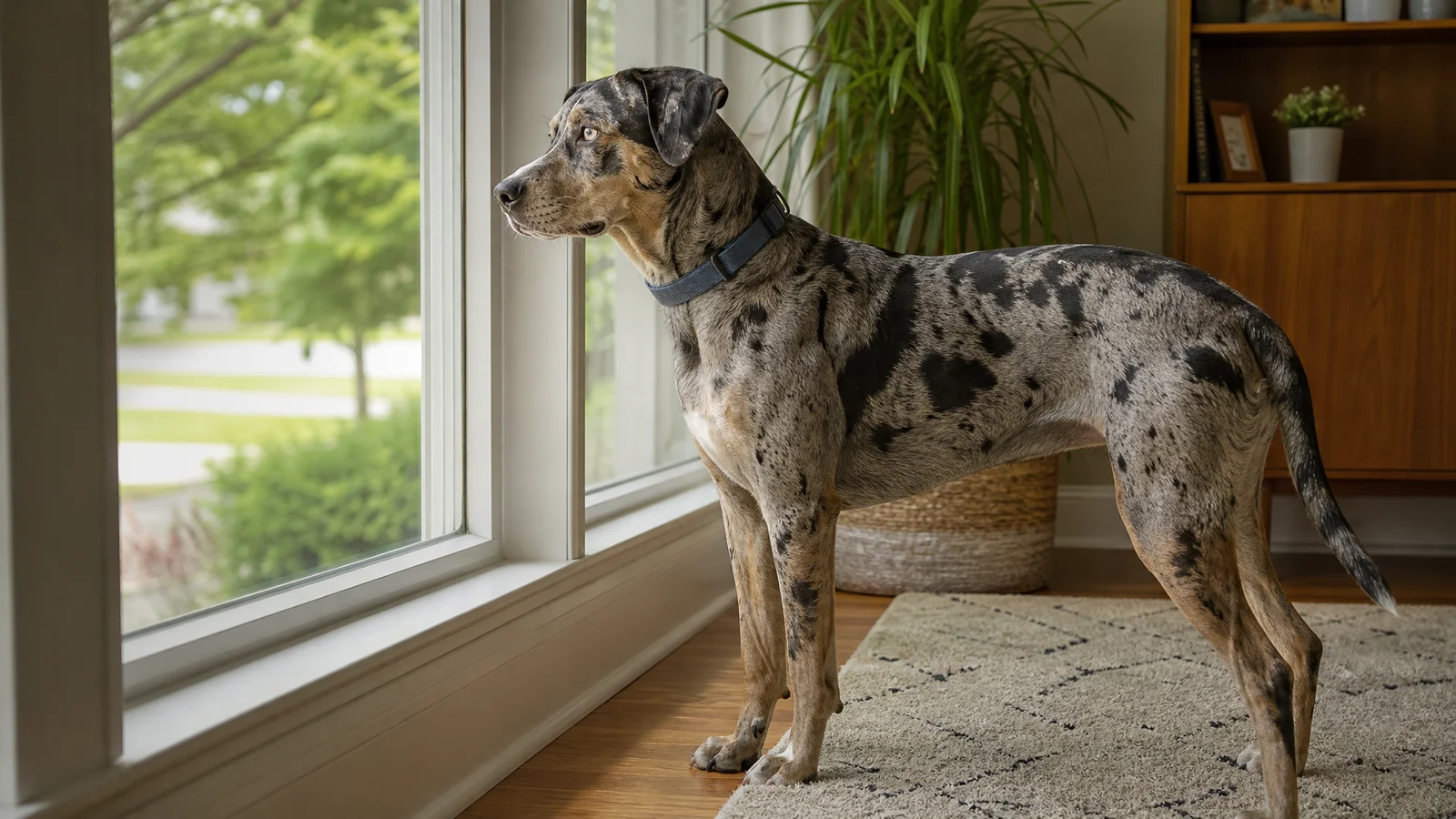 BehaviorTerritorial and Protective: Guiding a Watchful Catahoula
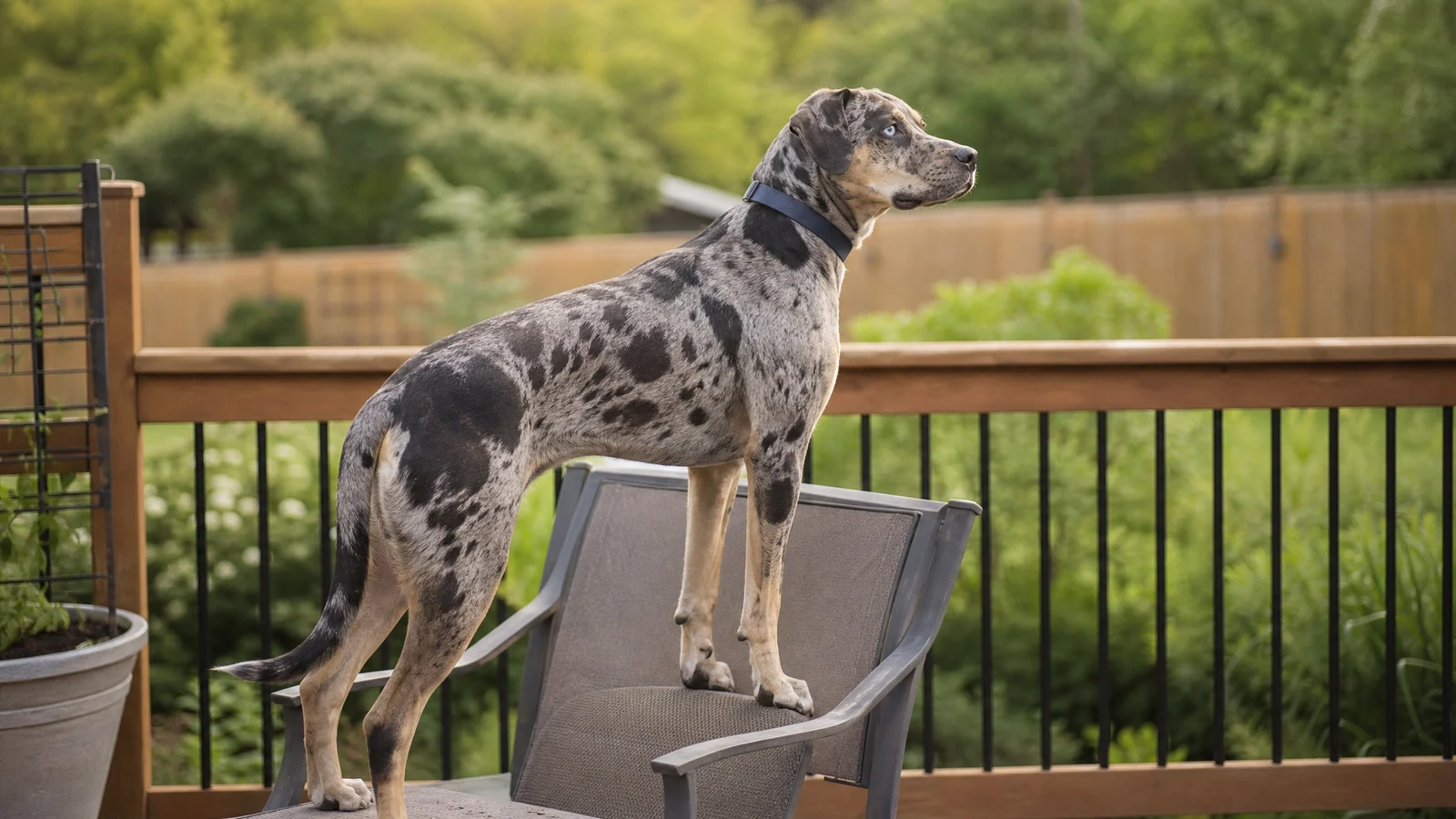 BehaviorClimbing, Jumping and Fence Manners for an Athletic Catahoula