 Catahoula
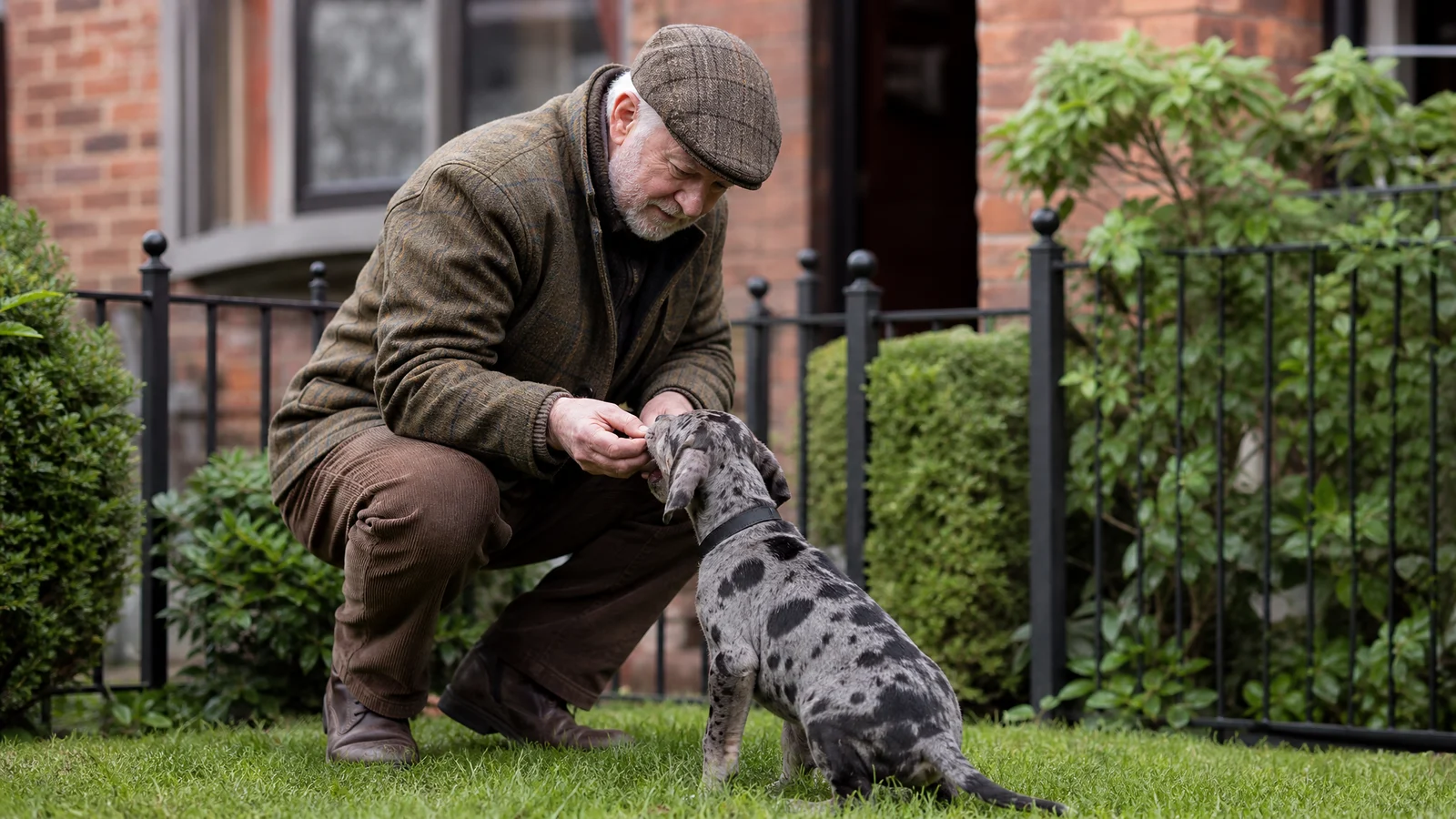
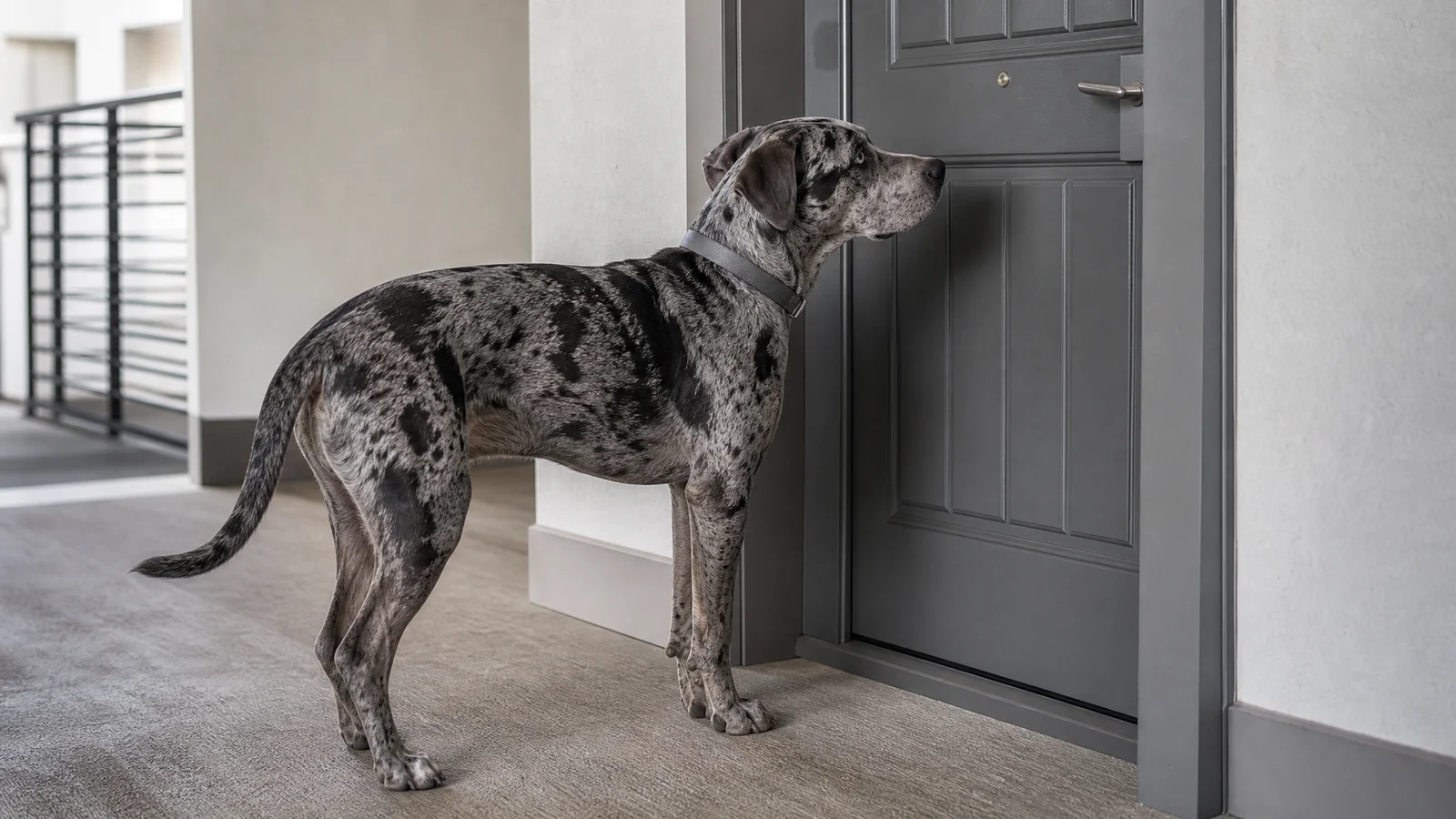
Catahoula potty training does not require a breed-specific clock. It requires a purposeful route repeated so consistently that the puppy can recognize what happens next. Their trainability can help them learn the sequence, but a quick mind does not give a young puppy adult physical control.
The breed-specific difference is how much clarity matters to an independent learner. One exit, one destination, one useful cue and a reward delivered outdoors make the job worth repeating. This guide walks through the complete trip, including transition-based timing, supervision, accident response, gradual freedom and the signs that the routine is becoming dependable. We keep each stage observable so every caregiver can follow it.
Potty Training Begins With a Catahoula Leopard Dog Path
Choose the practical route before the puppy needs it. The exit should be easy to reach, and the outdoor destination should remain usable in ordinary weather and low light. Remove clutter near the door so finding the leash or opening a gate does not turn every trip into a delay.
Walk the same path and begin quietly. Let the destination predict the potty opportunity before play or broad exploration begins. Repetition gives the route meaning, while a calm arrival leaves the puppy enough attention to notice their own body and the surface beneath them.
Coordinate every person in the household. Mixed routes and different cues can work eventually, but they add needless difficulty at the start. A Catahoula puppy benefits from knowing exactly which small job earns the reward, especially when other parts of the environment are competing for attention.
- Keep the leash and outdoor rewards beside the chosen exit where adults can reach them safely.
- Select one potty destination and clear a direct path so the puppy does not tour the yard first.
- Agree on one brief cue and one marker word for the finished outdoor behavior.
- Write down successful trips and misses where every caregiver can update the routine.
The breed profile emphasizes consistent, kind training. Potty work is a good place to apply that principle because the household controls most opportunities. Consistency means making the right route available, not demanding that the puppy solve a missed opportunity after the fact.
Catahoula Leopard Dog Potty Training Before Urgency
Watch transitions rather than inventing a rigid universal schedule. Waking, eating, drinking, energetic play and moving into a different room can all change what the puppy needs next. Offer the route after those events while the puppy can still travel calmly, not after urgent circling has begun.
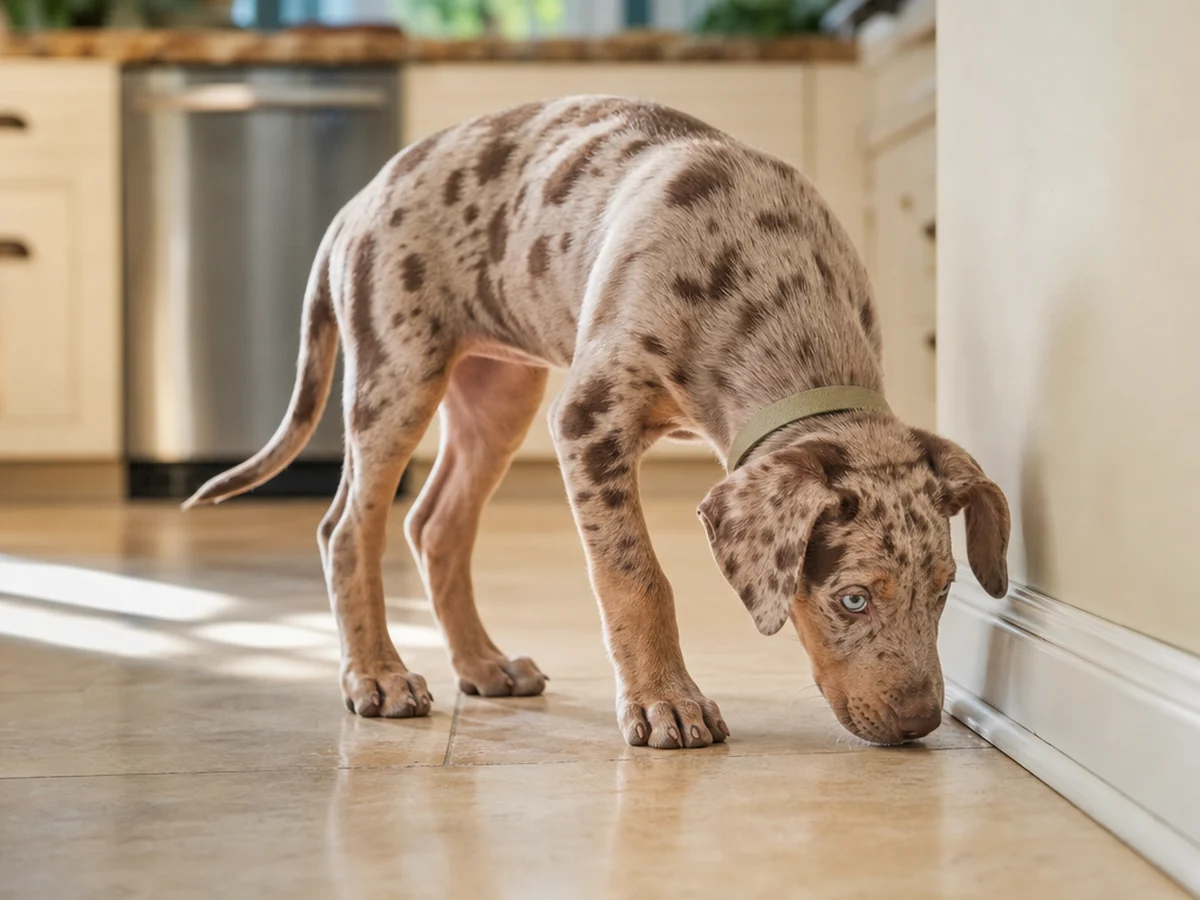
Learn the individual's early signals. A Catahoula puppy may pause an activity, leave the group, investigate an edge of the room or become suddenly focused on the floor. The valuable signal is the change from what the puppy was doing, so context matters more than any single gesture.
When you see the change, invite the puppy along and move directly to the destination. Avoid repeating the cue throughout the trip. A cue spoken while nothing is happening becomes background sound. Save it for the destination when elimination is likely or has begun.
If the trip produces no result, return indoors without offering broad freedom. Keep the puppy with you under active supervision, then offer the route again after another clear transition or renewed signal. The failed trip is information about attention and timing, not a reason to remain outdoors until everyone becomes frustrated.
Night and bad weather can make the route harder, so rehearse the path during easier conditions. A familiar sequence reduces novelty when the household is tired or the yard sounds different. Keep necessary lighting and safe footing ready rather than changing the destination at the difficult moment.
Outdoor Rewards in Catahoula Puppy Potty Training
Reward where the correct choice happens. Mark the completion of elimination and deliver a small food reward at the outdoor destination. Waiting until everyone returns to the kitchen can make the reward seem connected to entering the house instead of using the chosen place.
The reward training overview explains that a rewarded behavior becomes more likely to happen again. In potty training, timing carries most of the message. Quietly mark the finish, reward promptly and then allow the puppy to move into the next pleasant part of the outing.
Do not end every successful trip the instant the puppy receives food. Some puppies may delay eliminating if the action always makes outdoor time disappear. After the reward, offer a brief sniff, gentle play or an ordinary return indoors according to what the puppy enjoys and what the day requires.
Keep praise calm enough that the puppy can finish. Excited movement or a sudden game can interrupt the behavior before the bladder or bowel is empty. Wait for completion, mark once and celebrate in a way that does not make the destination chaotic.
A shared marker can sharpen the lesson. The humane training statement supports teaching the action you want through rewards and environmental arrangement. Opportunity still has to come before reinforcement.
Supervision Between Catahoula Potty Training Trips
Real supervision keeps the puppy's current activity visible instead of merely placing everyone under one roof. Keep them in the same room, engage them with an appropriate activity and notice when their pattern changes. A puppy who quietly leaves the group can reach a hidden corner before a busy household realizes they are gone.
Use gates or closed doors to make the supervised area manageable. A lightweight indoor leash can help the puppy move with an attentive adult, but it should never become a tether left unattended. Invite the puppy toward the exit and reward cooperation rather than pulling them along the route.
When active supervision is impossible, use a puppy-safe rest area that has been introduced positively. Take the puppy outside before rest and again after waking. Confinement manages space, but it does not teach the entire potty sequence. If the area repeatedly becomes a toilet, review timing, size, setup and the puppy's comfort.
A crate can support rest only when the puppy is comfortable there. The guide to Catahoula crate training separates voluntary settling from alone-time practice. Potty training should never depend on expecting a puppy to remain confined beyond what they can comfortably manage.
Give the puppy an appropriate chew, quiet companionship or rest between opportunities. Constant excitement can hide subtle signals, while boredom can encourage wandering. A balanced period between trips makes behavior easier to read and helps the destination remain the most predictable place for elimination.
Potty Accidents as Schedule Data
An accident shows that the opportunity, supervision or access plan did not match that moment. It does not show spite, defiance or a failed bond. Record the event before memory becomes vague, then change the next similar situation. The household learns from the miss even though the puppy cannot revisit it.
When You Find an Accident Later
Clean the area without involving the puppy. The learning moment has passed, and bringing them back cannot explain the desired outdoor alternative. Block the location while it dries and consider whether lingering odor, hidden access or a missed transition made the place likely to be used again.
Write what happened before the accident. Note sleep, food, water, play, a room change and the last successful trip. Broad event notes are more useful than blaming an exact minute. They show where the next opportunity should move earlier or where supervision needs to become closer.
When You Notice an Accident Beginning
Interrupt gently and use the established route. Give the puppy a chance to finish outdoors, then reward that correct final choice.
Avoid startling, scolding or creating a chase. A puppy who becomes worried about eliminating near people may learn to hide the behavior rather than choose the correct place. Reward-based teaching protects the signal you need to see and keeps the outdoor destination safe.
Review whether the puppy had too much unsupervised area. Tighten the plan for the next similar transition, then restore freedom after success returns. This is not starting over. It is matching access to the skill the puppy can demonstrate under current household conditions.
Potty Training Freedom by Area
Freedom should grow through connected spaces rather than arriving across the whole home. Begin with the room where supervision and the exit route are strongest. After a successful outdoor trip, open one additional area while an adult can stay engaged with the puppy.
Make new space part of living, not an empty test. Bring a toy, practice a familiar cue or settle together where the puppy can be seen. Close access before attention shifts elsewhere. A new room should acquire a history of supervised activity instead of becoming a private potty option.
Look for several kinds of readiness together. The puppy travels the familiar route without becoming lost in play, completes the behavior at the destination and returns for the reward. The household also recognizes earlier signals and responds before urgency. Progress belongs to both sides of the routine.
After a miss, reduce the area and return to the last successful supervision pattern. Avoid immediately reopening the space to see whether the accident repeats. The purpose of access is to practice reliable household behavior, not to run an exam the puppy has not been prepared to pass.
Carry the same communication into other skills through the complete Catahoula training guide. A Catahoula who understands markers, release cues and rewarded choices can use those tools across daily life. Potty reliability still depends on opportunity, but the shared language makes the sequence clearer.
Long-Term Catahoula Leopard Dog Potty Reliability
Reliability appears as a familiar chain rather than one dry stretch. The puppy begins moving toward the usual exit, follows the route, eliminates at the destination and looks for the outdoor reward. Caregivers notice signals sooner, and ordinary transitions stop producing unexplained misses.
Changed routines can unsettle the pattern. Restore the familiar route and closer supervision. Skills often need support when their context changes.
Regular vet visits provide a useful health baseline as the puppy grows. If elimination changes suddenly, appears unusually difficult or remains unpredictable despite careful opportunities, contact your veterinarian. Bring the event notes so the conversation includes transitions, behavior and recent changes.
Keep rewarding outdoor choices after the basic pattern looks strong. Rewards can become less frequent gradually, but the route and praise should remain worthwhile. A young Catahoula is still learning how the household works, and continued reinforcement protects the habit through expanding access and changing routines.
Long-term potty training succeeds when the puppy no longer has to invent the route and the household no longer waits for urgency. The Catahoula may begin the familiar journey on their own, but people still arrange access and respond to signals. That shared sequence is what turns early practice into dependable daily behavior.
 Training basicsHow to Train a Catahoula Leopard Dog the Reward-Based Way
 Training basicsLeash Training a Catahoula: Pulling, Lunging and Loose-Leash Walking
 BehaviorSocializing a Catahoula Leopard Dog With Kids, Dogs and Strangers